Introduction

User experience (UX) design is a crucial aspect of creating successful digital products and services. It focuses on enhancing the overall experience that users have while interacting with a website, application, or any other digital platform. UX design involves understanding users' needs and preferences to create intuitive and enjoyable experiences.
What is UX Design?
UX design refers to the process of designing digital products or services that prioritize user satisfaction and meet their specific needs. It encompasses various elements such as usability, accessibility, and visual appeal to create a seamless and engaging user experience.
Why is UX Design Important?
UX design plays a vital role in determining the success of a product or service in today's highly competitive digital landscape. By prioritizing user satisfaction, it helps businesses establish strong connections with their target audience, leading to increased customer loyalty and brand advocacy.
Key Principles of UX Design
There are several key principles that guide UX designers in creating effective experiences:
1. User-Centered Design: Putting the needs and preferences of users at the forefront of the design process.
2. Consistency: Maintaining consistency in visual elements, interactions, and navigation throughout the product.
3. Simplicity: Striving for simplicity in design to ensure ease of use for users.
4. Accessibility: Ensuring that the product can be used by individuals with disabilities or impairments.
5. Clear Communication: Conveying information effectively through clear messaging and intuitive interfaces.
6. Feedback Loop: Incorporating feedback from users to continuously improve the product.
Incorporating these principles into the design process helps create meaningful experiences that delight users and drive business success.
Now let's delve deeper into understanding what UX design entails and how it impacts product development.
The Basics of UX Design

UX design, or user experience design, is the process of enhancing user satisfaction by improving the usability, accessibility, and enjoyment of a product or service. It involves understanding the needs and behaviors of users and designing solutions that meet those needs effectively.
User experience refers to how a person feels when interacting with a system, such as a website or application. It encompasses their emotions, attitudes, and perceptions before, during, and after using the product. By focusing on user experience, UX design aims to create meaningful and valuable experiences for users.
In product development, UX design plays a crucial role in shaping the overall user experience. It involves considering factors such as functionality, aesthetics, performance, and accessibility to ensure that the end product meets the needs of its target audience.
Defining UX Design
UX design is all about creating products that are not only visually appealing but also functional and easy to use. It involves understanding user needs through research and analysis and then translating those insights into designs that address those needs effectively.
Understanding User Experience
User experience encompasses all aspects of an individual's interaction with a product or service. It includes their perceptions of its ease of use, efficiency, usefulness, satisfaction level, and even emotional responses.
By understanding how users perceive and interact with a product or service at each touchpoint along their journey, UX designers can identify pain points or areas for improvement and make informed decisions to enhance the overall user experience.
The Role of UX Design in Product Development
UX design is essential in product development as it ensures that products are designed with users in mind. By conducting user research and analysis early on in the process, designers can gain valuable insights into user needs, preferences, and behaviors.
These insights guide the design process, helping designers create intuitive interfaces, seamless interactions, and engaging experiences. By considering UX design principles throughout product development, companies can increase the likelihood of creating successful products that meet user expectations.
By incorporating UX design principles into their product development processes, companies can create products that are not only visually appealing but also intuitive and user-friendly. This leads to increased user satisfaction and engagement, improved conversion rates, and ultimately builds brand loyalty.
Remember to always prioritize the user experience when designing products or services. By understanding the basics of UX design and its importance in product development, you'll be well-equipped to create meaningful experiences for your users.
The Elements of UX Design
User Research and Analysis
User research and analysis are essential components of UX design. By conducting thorough research, designers can gain valuable insights into the needs, preferences, and behaviors of their target users. This involves techniques such as surveys, interviews, and usability testing to gather data and understand user expectations.
Information Architecture
Information architecture focuses on organizing and structuring content in a way that is intuitive for users to navigate. It involves creating sitemaps, wireframes, and user flows to ensure that information is presented in a logical and easily accessible manner. Effective information architecture enhances the user's ability to find what they need quickly and efficiently.
Interaction Design
Interaction design is concerned with creating meaningful interactions between users and digital products or services. It involves designing intuitive interfaces that allow users to easily interact with the system. This includes elements such as buttons, menus, forms, and feedback mechanisms. By prioritizing usability and providing clear feedback, interaction design enhances the overall user experience.
Incorporating these elements into the UX design process ensures that designers create products or services that meet user needs effectively. User research provides valuable insights into user preferences, while information architecture ensures content is organized in a logical manner. Interaction design focuses on creating intuitive interfaces for seamless user interactions.
By implementing these elements effectively, designers can create digital experiences that are both visually appealing and highly functional.
User Research and Analysis
User research plays a crucial role in understanding the target audience's needs, motivations, pain points, and behaviors. Through methods like surveys or interviews, designers gather qualitative data that helps shape their design decisions. Analyzing this data allows them to create personas representing different types of users who will interact with the product.
User research is an ongoing process that continues throughout the design and development stages. By continuously gathering feedback and observing user behavior, designers can refine their designs to meet user expectations. This iterative approach ensures that the final product aligns with user needs and preferences.
Information Architecture
Information architecture focuses on organizing and structuring content in a way that is easy for users to navigate. Designers create sitemaps, which outline the structure of a website or application, ensuring that information is logically organized. This allows users to find what they need quickly and effortlessly.
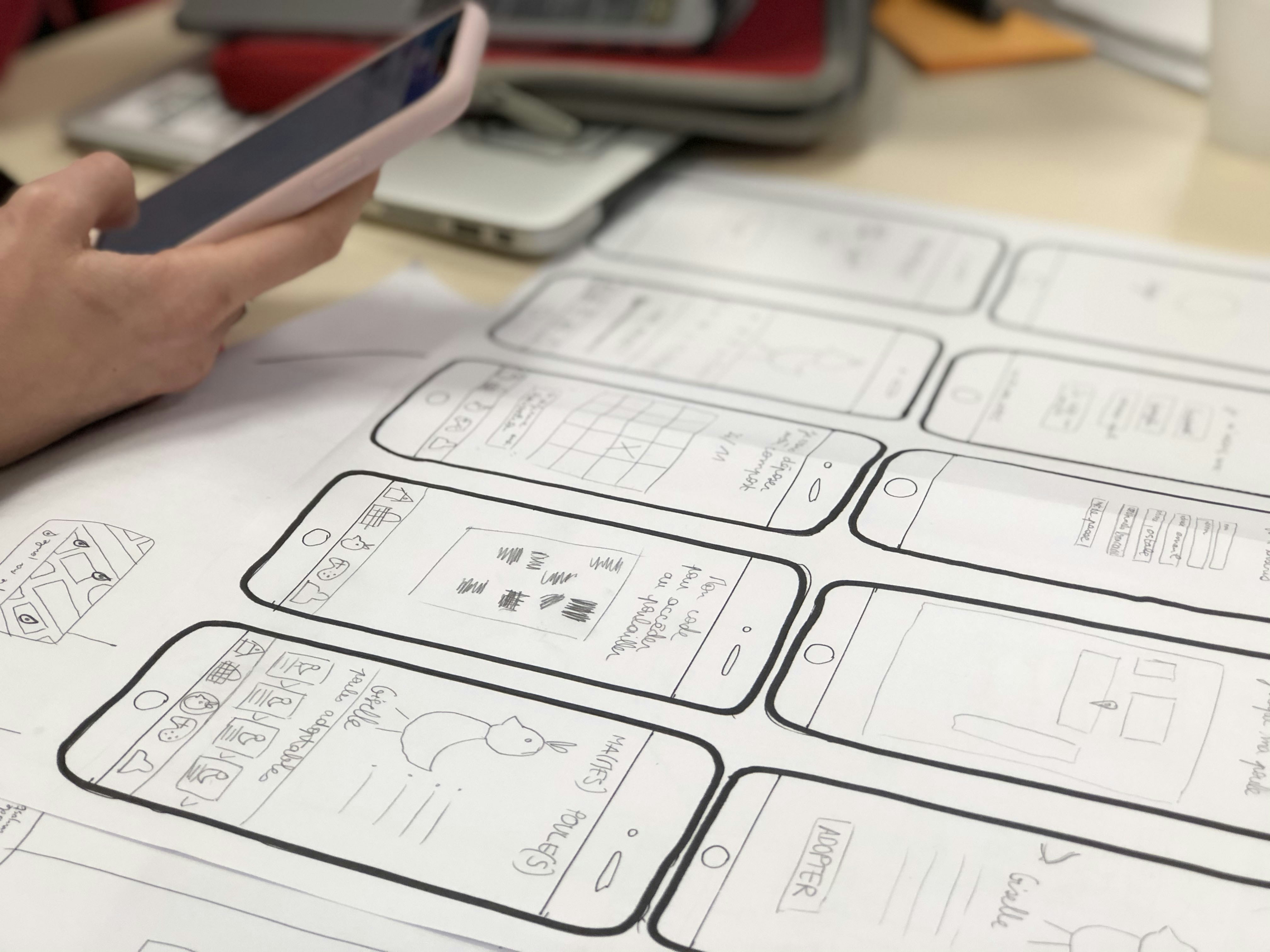
Wireframing is another crucial aspect of information architecture. It involves creating low-fidelity representations of the user interface, showcasing the placement of different elements such as buttons, menus, and content sections. Wireframes serve as a blueprint for designers to visualize the overall layout before moving on to high-fidelity designs.
Interaction Design
Interaction design aims to create intuitive and engaging experiences for users when interacting with a digital product or service. It involves designing interfaces that are visually appealing, functional, and easy to navigate.
By utilizing principles such as affordance (making elements look clickable), feedback (providing visual cues for user actions), and consistency (maintaining uniformity across screens), interaction designers ensure seamless interactions between users and digital interfaces.
Usability testing is an integral part of interaction design. By observing how users interact with prototypes or existing products, designers can identify pain points or areas where improvements are needed. This iterative process helps refine the design until it meets usability standards.
Incorporating these elements into UX design ensures that products or services are tailored to meet user needs effectively. User research provides insights into user preferences, while information architecture organizes content logically. Interaction design focuses on creating intuitive interfaces for seamless interactions.
The UX Design Process

User Persona Development
User persona development is a crucial step in the UX design process. It involves creating fictional representations of your target users based on research and analysis. By understanding the needs, goals, and behaviors of your users, you can design a product that caters to their specific requirements. User personas help guide decision-making throughout the design process, ensuring that your product meets the needs of your target audience.
Wireframing and Prototyping
Once user personas are developed, the next step is wireframing and prototyping. Wireframes are simplified visual representations of the layout and structure of a website or application. They provide a blueprint for how different elements will be arranged on each page or screen. Prototypes, on the other hand, are interactive mock-ups that allow users to experience how the final product will look and function.
Usability Testing
Usability testing is an essential part of UX design as it helps identify any usability issues or pain points in a product early on in the development process. It involves observing real users as they interact with prototypes or existing products to determine how easy or difficult it is for them to achieve their goals. Usability testing provides valuable insights into user behavior, preferences, and expectations, which can then be used to refine and improve the user experience.
By following these key steps in the UX design process - user persona development, wireframing and prototyping, and usability testing - designers can create products that meet user needs effectively. This iterative approach allows for continuous improvement based on user feedback.
Remember: UX design is not just about making things look visually appealing; it's about creating meaningful experiences that resonate with users. So take time to understand your target audience, involve them in the design process, and test your designs to ensure a seamless and enjoyable user experience.
Incorporating UX Design Principles
Incorporating UX design principles is crucial for creating a seamless and user-friendly experience for your audience. By following these principles, you can ensure that your website or application is intuitive, visually appealing, and easy to navigate.
Consistency and Familiarity
Consistency and familiarity are key aspects of UX design that help users feel comfortable and confident while interacting with your product. By maintaining consistent visual elements such as color schemes, typography, and layout throughout your website or application, you create a sense of familiarity that allows users to easily understand how to navigate and interact with different sections.
Additionally, consistency in terms of language and terminology helps users understand the content better. Using consistent wording for buttons, labels, and instructions ensures that users can easily recognize and understand the purpose of each element without confusion.
Clear Navigation and Information Hierarchy
Clear navigation is essential for guiding users through your website or application seamlessly. A well-designed navigation menu should be intuitive, easy to find, and clearly labeled. Users should be able to quickly locate the information they are looking for without having to guess or search extensively.
Information hierarchy plays a vital role in UX design as well. By organizing content based on its importance or relevance, you can guide users' attention towards the most critical information first. This can be achieved through visual cues such as headings, subheadings, bullet points, or color contrast.
Minimalism and Simplicity
Minimalism and simplicity are fundamental principles in UX design that focus on removing unnecessary elements or clutter from the user interface. By adopting a minimalist approach, you create a clean and uncluttered design that allows users to focus on the essential elements without distractions.
Simplicity also applies to the overall user experience by making processes streamlined and straightforward. Avoid overwhelming users with too many options or complex workflows. Instead, strive for simplicity by providing clear instructions and minimizing the number of steps required to complete tasks.
The Impact of UX Design on Business

In today's digital landscape, UX design plays a crucial role in the success of businesses. By focusing on creating a positive user experience, businesses can reap numerous benefits, including increased user satisfaction and engagement, improved conversion rates, and building brand loyalty.
Increasing User Satisfaction and Engagement
One of the primary goals of UX design is to ensure that users have a satisfying and engaging experience while interacting with a product or service. By understanding user needs and preferences through research and analysis, UX designers can create intuitive interfaces that are easy to navigate.
Through thoughtful design choices such as clear visual hierarchy, intuitive navigation menus, and responsive layouts, businesses can enhance the overall satisfaction of their users. When users feel satisfied with their experience, they are more likely to engage with the product or service for longer periods of time.
Improving Conversion Rates
Conversion rates refer to the percentage of visitors who take a desired action on a website or app, such as making a purchase or signing up for a newsletter. Effective UX design can significantly impact conversion rates by reducing friction points in the user journey.
By optimizing the design elements that influence user behavior, such as call-to-action buttons placement and visual cues guiding users towards desired actions, businesses can increase the likelihood of conversions. A seamless and enjoyable user experience encourages users to complete their desired actions without hesitation.
Building Brand Loyalty
A well-designed user experience has the power to create strong emotional connections between users and brands. When users have positive experiences with a product or service due to its intuitive interface and seamless functionality, they are more likely to develop trust and loyalty towards that brand.
UX design principles such as consistency in branding elements, personalized interactions based on user preferences, and delightful micro-interactions help in fostering this emotional connection with users. By prioritizing customer satisfaction through exceptional UX design practices, businesses can build long-term relationships with their customers, leading to increased brand loyalty.
In conclusion, UX design has a significant impact on business success by increasing user satisfaction and engagement, improving conversion rates, and building brand loyalty. By investing in effective UX design strategies, businesses can create memorable experiences that resonate with users and drive their success in the digital landscape. It is crucial for businesses to continuously evolve and adapt their UX design approaches to meet the ever-changing needs and expectations of users.
Conclusion

In today's digital landscape, the importance of UX design cannot be overstated. UX design, also known as user experience design, plays a crucial role in creating products and services that meet the needs and expectations of users. By understanding what UX design is and why it is important, businesses can implement effective strategies to enhance user satisfaction and drive success.
The Importance of UX Design in Today's Digital Landscape
UX design focuses on creating meaningful experiences for users by considering their needs, preferences, and behaviors. In a world where consumers have endless options at their fingertips, providing a positive user experience has become essential for businesses to stay competitive.
By prioritizing UX design principles such as usability, accessibility, and aesthetics, companies can differentiate themselves from their competitors and build strong relationships with their target audience. A well-designed user experience not only increases user satisfaction but also leads to higher engagement levels and improved brand perception.
Implementing Effective UX Design Strategies
To implement effective UX design strategies, businesses must first understand the basics of UX design. This includes defining what UX design is and understanding the concept of user experience itself. By conducting thorough user research and analysis, companies can gain valuable insights into their target audience's needs, behaviors, and pain points.
The elements of UX design - including user research and analysis, information architecture, and interaction design - provide a framework for creating intuitive and seamless experiences for users. By incorporating these elements into the product development process, businesses can ensure that their offerings meet the needs of their target audience effectively.
Continuing to Evolve and Adapt in UX Design
As technology advances at a rapid pace, so does the field of UX design. To stay ahead in this ever-changing landscape, businesses must continuously evolve and adapt their approach to UX design.
This involves staying up-to-date with emerging trends in technology and consumer behavior to anticipate future needs and expectations. It also requires ongoing usability testing and feedback gathering to identify areas for improvement and make data-driven design decisions.
In conclusion, UX design is a critical component of successful product development in today's digital age. By prioritizing user satisfaction and engagement, businesses can leverage UX design principles to improve conversion rates, build brand loyalty, and ultimately drive business growth. By implementing effective UX design strategies and embracing continuous evolution, companies can stay ahead of the curve and meet the ever-changing needs of their users.